Jeans Fit Guide: Finding Your Perfect Pair
Navigating the world of denim requires understanding body shape, rise, cuts, and washes – a comprehensive guide to finding jeans that flatter and fit perfectly.
Understanding Body Shape
Determining your body shape is the crucial first step in finding jeans that truly flatter your figure. Different cuts accentuate various silhouettes, so knowing whether you’re an hourglass, pear, apple, rectangle, or inverted triangle is key.
Hourglass figures benefit from styles that highlight the waist, like high-rise and fitted cuts. Pear shapes often look best in balanced styles that add volume to the upper body, such as bootcut or flared jeans. Apple shapes can create a more defined waist with mid-rise, straight-leg options.
Rectangle shapes can add curves with details like whiskering or distressing, while inverted triangle shapes should balance broader shoulders with wider leg openings. Considering your unique proportions ensures a comfortable and stylish fit.
Identifying Your Rise
Jeans “rise” refers to the distance from the crotch seam to the top of the waistband, significantly impacting fit and comfort. Understanding the different rises – high, mid, and low – is essential for finding your perfect pair.
High-rise jeans sit at or above the natural waist, accentuating the waistline and elongating legs. They’re flattering on many body types, offering a retro vibe. Mid-rise jeans fall below the natural waist, providing a comfortable and versatile fit, suitable for everyday wear.
Low-rise jeans sit on the hips, creating a more casual look. They’ve seen a resurgence in popularity but require careful consideration of body shape for a flattering fit. Choosing the right rise enhances your silhouette and boosts confidence.
High-Rise Jeans
High-rise jeans are characterized by a waistband that sits at or above the natural waistline, typically several inches above the belly button. This style is celebrated for its ability to cinch the waist, creating an hourglass silhouette and elongating the legs, offering a flattering effect for diverse body types.
They often feature a higher back rise for enhanced coverage and a secure fit. High-rise jeans are incredibly versatile, pairing well with both tucked-in tops and cropped sweaters. They’ve experienced a significant revival in recent years, becoming a staple in modern wardrobes, offering a blend of comfort and style.
Mid-Rise Jeans
Mid-rise jeans strike a balance, sitting between the high-rise and low-rise options, generally a few inches below the natural waist. This versatile style is a classic choice, offering comfort and a flattering fit for many body types, making them a wardrobe staple for everyday wear.
They provide a comfortable waistband without the extreme height of high-rise jeans or the lower cut of low-rise styles. Mid-rise jeans pair effortlessly with a variety of tops, from casual t-shirts to more polished blouses. They remain a consistently popular choice due to their adaptability and timeless appeal, offering a universally flattering silhouette.
Low-Rise Jeans
Low-rise jeans sit noticeably below the natural waist, often several inches lower, creating a more relaxed and sometimes revealing fit. Historically popular in the early 2000s, they’ve seen a resurgence, though remain a more divisive style compared to mid or high-rise options.
These jeans can elongate the torso and emphasize the hips, but require careful consideration of body shape and proportions. Pairing low-rise jeans with longer tops or sweaters is often recommended for balance and coverage. While offering a distinct aesthetic, they aren’t universally flattering and demand confidence to pull off successfully.
Decoding Jeans Cuts & Fits
Understanding the different cuts and fits of jeans is crucial for finding a pair that complements your body type and personal style. From classic silhouettes to modern interpretations, the options can seem overwhelming. Key fits include skinny, slim, straight leg, bootcut, wide leg, and flare – each offering a unique look and feel.
Skinny jeans hug the leg tightly, while wide-leg styles provide a relaxed, flowing fit. Bootcut jeans are designed to accommodate boots, and straight-leg jeans offer a versatile, timeless aesthetic. Considering your body shape and desired level of comfort will guide you towards the perfect cut.
Skinny Jeans
Skinny jeans are characterized by their tight fit from hip to ankle, creating a streamlined silhouette. They’ve been a dominant trend for years, offering a modern and versatile style option. Often made with a significant amount of stretch, they provide comfort alongside a figure-hugging look.
These jeans work well with various tops, from oversized sweaters to fitted tees. However, they may not be the most flattering choice for all body types, potentially accentuating areas some prefer to minimize. Consider pairing them with heels to elongate the legs or sneakers for a casual vibe. They remain a popular choice for those seeking a contemporary aesthetic.
Slim Fit Jeans
Slim fit jeans strike a balance between skinny and straight-leg styles, offering a tailored yet comfortable fit. They are typically fitted through the hips and thighs, then taper slightly towards the ankle, providing a more relaxed feel than their skinnier counterparts. This makes them a versatile option for many body types.
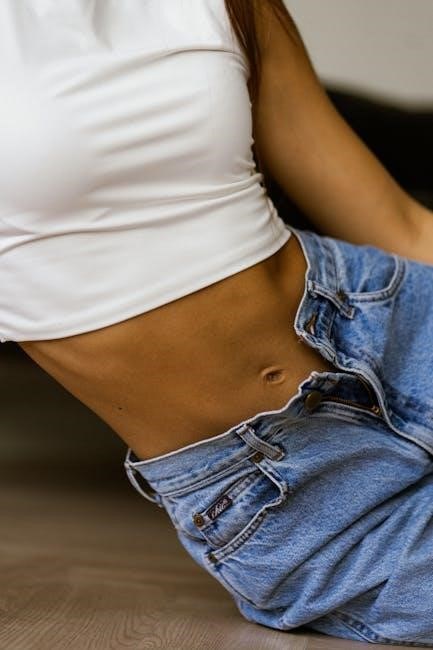
Often constructed with a touch of stretch, slim fit jeans allow for ease of movement. They pair well with a wide range of footwear, from boots to sneakers, and can be dressed up or down. They’re a classic choice for a polished, everyday look, offering a modern alternative to traditional straight-leg denim.
Straight Leg Jeans
Straight leg jeans are a timeless classic, characterized by their consistent width from the hip to the ankle. This silhouette offers a universally flattering fit, making them a staple in many wardrobes. They don’t taper or flare, providing a clean, streamlined look that works well with various body types and styles.
Often considered a versatile option, straight leg jeans can be dressed up with heels or dressed down with sneakers. They’re a great choice for those seeking a comfortable yet polished aesthetic. The enduring popularity of this cut stems from its simplicity and ability to seamlessly integrate into any casual or smart-casual ensemble.
Bootcut Jeans
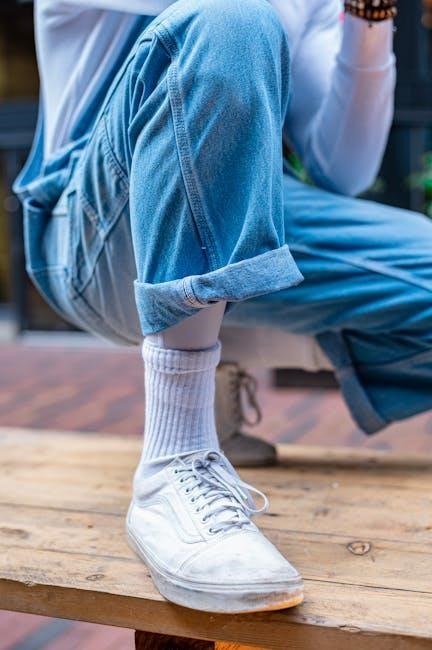
Bootcut jeans feature a slight flare from the knee down, designed to accommodate boots – hence the name. This subtle widening creates a balanced silhouette, particularly flattering for those with wider hips or thighs. They offer a classic, slightly retro aesthetic that remains popular today.

The bootcut style visually lengthens the legs when paired with heeled boots or shoes. They provide a comfortable fit through the thigh and hip, offering a relaxed yet stylish look. While originally intended for practicality, bootcut jeans have become a fashion statement, offering a versatile option for various occasions and personal styles.
Wide Leg Jeans

Wide leg jeans are characterized by a consistent width from the thigh down to the hem, creating a flowing, relaxed silhouette. This style offers a comfortable and fashionable alternative to more fitted jeans, providing a retro-inspired look that’s currently trending. They are exceptionally flattering when paired with fitted tops to balance the proportions.
The wide leg cut can visually elongate the legs, especially when worn with heels or platforms. They offer freedom of movement and a breezy feel, making them ideal for warmer weather or casual settings. Wide leg jeans are a versatile wardrobe staple, easily dressed up or down for various occasions, embodying both comfort and style.
Flare Jeans
Flare jeans feature a fitted silhouette through the thigh and gradually widen from the knee to the hem, creating a distinctive flared shape. This style, reminiscent of the 70s, offers a balanced and flattering look, particularly when paired with heels or boots to accentuate the flare. They visually elongate the legs and create a balanced proportion.
Flare jeans are a versatile option, suitable for both casual and more dressed-up occasions. They work well with fitted tops or tucked-in blouses to highlight the waist and create a defined silhouette. The flare adds a touch of drama and personality to any outfit, making them a stylish and timeless choice for denim enthusiasts.
Jeans Wash & Color Guide
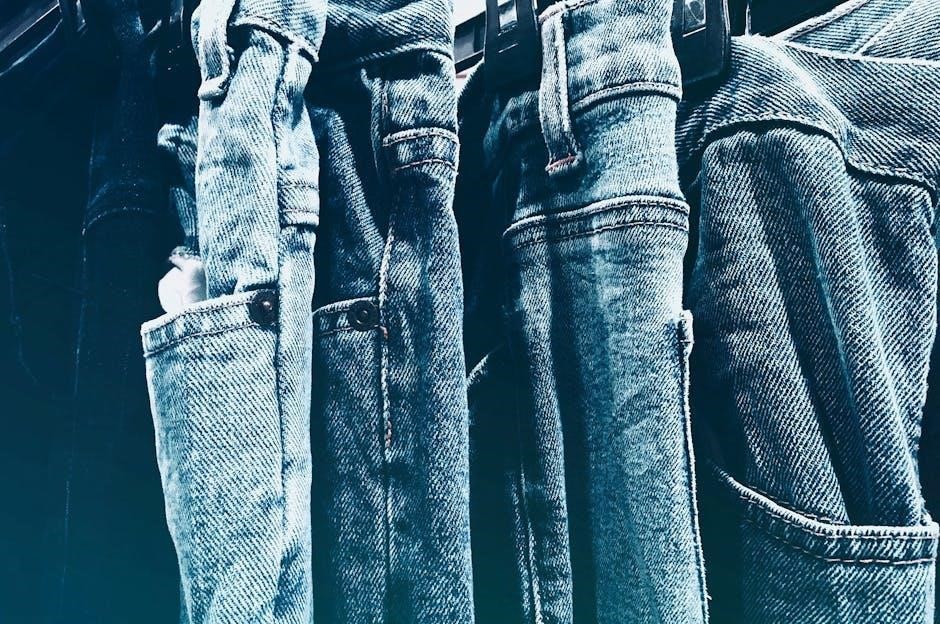
The wash and color of your jeans significantly impact their overall look and versatility. Dark wash jeans, like indigo or black, are incredibly versatile, easily dressed up or down, and offer a more polished appearance. Light wash jeans exude a casual, relaxed vibe, perfect for warmer weather and everyday wear.
Black jeans are a wardrobe staple, offering a sleek and sophisticated alternative to traditional blue denim. Colored jeans allow for bolder style statements, adding a pop of personality to your outfit. Understanding these nuances helps you choose jeans that complement your style and occasion, ensuring a well-rounded denim collection.
Dark Wash Jeans
Dark wash jeans, often resembling deep indigo, are renowned for their versatility and sophisticated aesthetic. They seamlessly transition from casual daytime looks to more refined evening ensembles, making them a cornerstone of any well-curated wardrobe. This wash tends to be flattering on various body types, offering a slimming effect.
Consider dark wash jeans for occasions requiring a slightly more polished appearance. They pair beautifully with button-down shirts, blazers, and even sweaters. The depth of color also makes them ideal for layering and creating visually appealing outfits. They are a timeless denim choice, offering enduring style.
Light Wash Jeans
Light wash jeans evoke a relaxed, casual vibe, perfect for warmer weather and laid-back occasions. Characterized by their faded appearance, they often feature a more distressed or worn-in look, contributing to their effortless style. These jeans are excellent for creating comfortable, everyday outfits, radiating a carefree aesthetic.
Pair light wash jeans with lighter-colored tops, like white tees or pastel sweaters, for a fresh, summery feel. They also complement denim jackets and casual sneakers. However, be mindful of balancing the overall look; darker tops can provide a nice contrast. Light washes are a fantastic choice for weekend adventures and casual gatherings.
Black Jeans
Black jeans are incredibly versatile, functioning as a stylish alternative to traditional blue denim. They effortlessly bridge the gap between casual and dressy, making them suitable for a wide range of occasions. Their dark hue creates a slimming effect and offers a sophisticated touch to any outfit.

Black jeans pair exceptionally well with almost any color top, from bright hues to neutral shades. They can be dressed up with a blazer and heels for a night out or kept casual with a t-shirt and sneakers. Consider different washes – a true black offers a sleek look, while a faded black provides a more relaxed vibe. They are a wardrobe staple!
Colored Jeans
Colored jeans offer a fun and expressive way to elevate your denim game beyond the classic blue and black. From vibrant reds and greens to softer pastels, the options are endless, allowing you to showcase your personal style. They’re a fantastic way to inject personality into your wardrobe and create eye-catching looks.
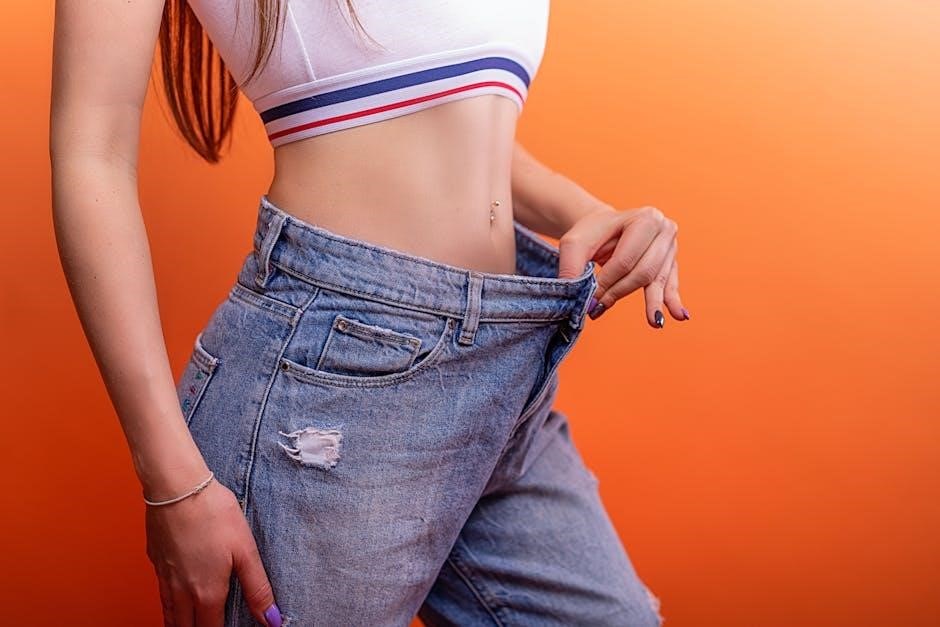
When styling colored jeans, consider pairing them with neutral tops to let the color truly pop. A white t-shirt, black sweater, or grey blouse can create a balanced and chic ensemble. Don’t be afraid to experiment with different shades and tones to find combinations that suit your taste. They are a bold fashion statement!
Material & Stretch Considerations
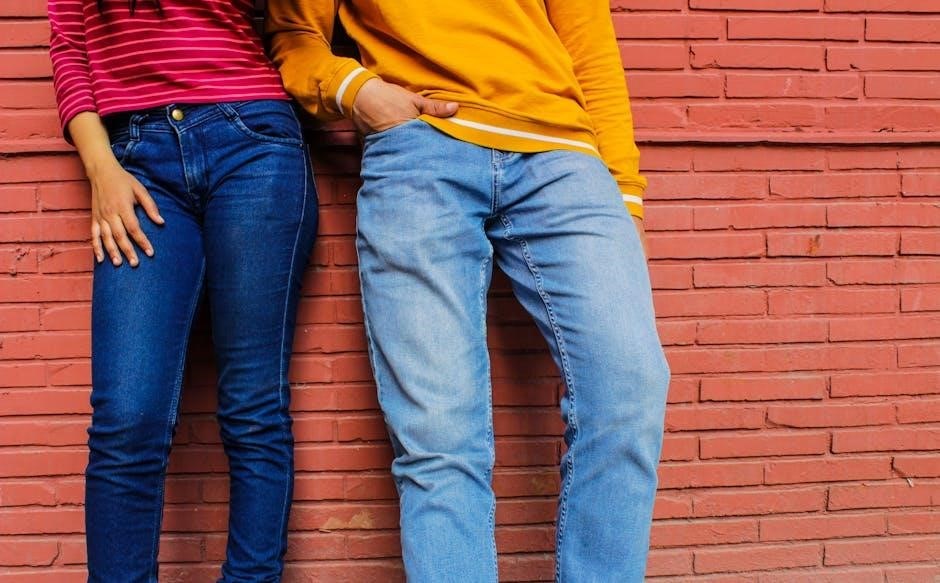
The material composition of your jeans significantly impacts their fit, feel, and durability. 100% cotton denim offers a classic, rigid structure that molds to your body over time, providing a truly personalized fit. However, it generally lacks stretch, which can limit movement.
Denim with stretch, incorporating elastane or spandex, provides enhanced comfort and flexibility. This blend allows for a more forgiving fit and greater range of motion, making it ideal for everyday wear. The percentage of stretch fibers influences the level of recovery – higher percentages offer more stretch but may lose shape faster. Consider your lifestyle and desired level of comfort when choosing.
100% Cotton Denim
Opting for 100% cotton denim delivers a truly classic jeans experience. This material is known for its durability and ability to develop a unique patina over time, conforming to your body’s shape with wear. Expect a more rigid feel initially, but anticipate a personalized fit as the denim breaks in.
While offering a timeless aesthetic, 100% cotton jeans typically provide less stretch. This can mean a snugger fit and potentially restricted movement compared to blended options. Consider this if you prioritize all-day comfort and a wider range of motion. Proper sizing is crucial to ensure a comfortable, yet flattering, fit.
Denim with Stretch (Elastane/Spandex)
Denim incorporating elastane or spandex offers a significant boost in comfort and flexibility. These blends allow for a closer fit without sacrificing movement, making them ideal for all-day wear and various activities. The addition of stretch also aids in maintaining the jeans’ shape, resisting bagging or stretching out over time.
However, the percentage of stretch fiber impacts the denim’s characteristics. Higher concentrations provide greater flexibility, while lower amounts offer a more traditional denim feel with subtle stretch. Consider your lifestyle and desired level of comfort when selecting jeans with stretch – a versatile option for modern wardrobes.
Size & Measurement Tips
Accurate measurements are crucial for finding your perfect jeans fit, as sizing can vary significantly between brands. Begin with your waist measurement, using a soft measuring tape to determine the circumference at your natural waistline – avoid pulling the tape too tight. Next, measure your inseam, from the crotch to the desired length, considering your footwear.
Be aware of “vanity sizing,” where brands may label sizes smaller than actual measurements. Always consult the brand’s specific size chart and compare your measurements to their guidelines. Don’t hesitate to size up if you’re between sizes, prioritizing comfort and a flattering fit.
Waist Measurement
Determining your accurate waist measurement is the foundation of finding well-fitting jeans. Use a flexible measuring tape and position it around your natural waistline – typically, this is the narrowest part of your torso. Ensure the tape is level all the way around and isn’t pulled too tightly, allowing for comfortable breathing.
Record the measurement in inches, and remember that this is not necessarily your pant size. Brands often differ in their sizing conventions. It’s best to compare your waist measurement to the specific size chart provided by the jeans brand you’re considering. Don’t assume consistency across different labels!
Inseam Measurement
Accurately measuring your inseam is crucial for achieving the correct jeans length. The inseam is the distance from your crotch to the bottom of your ankle. The easiest way to measure is to have a friend assist you while wearing shoes similar to those you’ll pair with your jeans.
Alternatively, measure the inseam of a well-fitting pair of pants. Start at the crotch seam and measure down the inside of the leg to the desired length; Remember to account for any desired break – the amount the jeans fabric rests on your shoes. Different styles call for different breaks!
Understanding Vanity Sizing
Be aware of “vanity sizing,” a common practice where brands label clothing with smaller sizes than they actually are. This can vary significantly between brands, making consistent sizing challenging. Don’t rely solely on the number on the tag; always check the garment’s measurements.
Focus on waist and inseam measurements rather than the size label. Comparing your measurements to the brand’s size chart is the most reliable way to find your perfect fit. It’s often helpful to read reviews to see if others have commented on a brand’s sizing tendencies – running large or small.
Popular Jeans Brands & Their Fits
Several brands consistently deliver quality and a wide range of fits. Levi’s, a denim icon, offers classic styles like the 501, known for its straight leg, and various slim and skinny fits. Wrangler provides durable options, popular for their bootcut and relaxed fits, catering to a more traditional aesthetic.
5 Mila Denim has gained recognition for inclusive sizing and flattering fits for diverse body types. They focus on comfortable, breathable fabrics and offer a range of washes and styles. Exploring these brands and understanding their specific fit guides will significantly improve your chances of finding the perfect pair.
Levi’s Fit Guide
Levi’s, a cornerstone of denim history, offers a diverse range of fits. The iconic 501 is a classic straight leg, versatile for many body types. Slim fits, like the 511 and 512, provide a modern, streamlined look. Skinny jeans, such as the 510, offer a tighter silhouette.
For a relaxed feel, explore the 505 regular fit or the 550 relaxed fit. Levi’s also categorizes fits by rise – high, mid, and low – impacting where the jeans sit on your waist. Understanding these distinctions and referencing Levi’s official size chart is crucial for achieving the perfect fit.
Wrangler Fit Guide
Wrangler jeans are renowned for their durability and Western-inspired styles. Their fits often cater to a more rugged aesthetic. The Wrangler Cowboy Cut Original Fit is a classic straight leg, favored for its comfortable, traditional feel. For a slimmer profile, consider the Wrangler Retro Slim Fit, offering a modern take on classic denim.
Wrangler also provides relaxed fits like the Wrangler Relaxed Fit, ideal for those prioritizing comfort. Pay attention to the rise – Wrangler offers options ranging from classic to mid-rise. Consulting Wrangler’s size guide and considering your body type will ensure a well-fitting and authentic Wrangler experience.
5 Mila Denim Fit Guide
5 Mila Denim has quickly gained popularity for its inclusive sizing and focus on flattering fits for diverse body types. They specialize in creating jeans that comfortably accommodate curves, offering sizes ranging from six to twenty. Their signature styles include the Curve Appeal jeans, designed with a contoured waistband and strategic pocket placement for a lifted and sculpted look.
5 Mila also offers various washes and rises to suit different preferences. The brand emphasizes breathable, cotton-rich fabrics that provide both comfort and style. When choosing 5 Mila jeans, consider your body shape and desired level of stretch – their website provides detailed fit descriptions and customer reviews to aid in selection.
Caring for Your Jeans to Maintain Fit
Proper care is crucial for preserving the fit and longevity of your favorite jeans. Frequent washing can cause fading and stretching, so it’s best to wash them as little as possible. When washing is necessary, turn jeans inside out and use a cold water cycle with a gentle detergent to minimize color loss and shrinkage.
Avoid harsh chemicals and excessive heat when drying. Air drying is the gentlest option, but if using a machine, select a low heat setting. Over-drying can lead to significant shrinkage. Spot cleaning minor stains can also extend the time between washes, keeping your jeans looking newer for longer.
Washing Instructions
To maintain the integrity and fit of your jeans, follow these washing guidelines carefully. Always turn your jeans inside out before placing them in the washing machine; this protects the color and finish from abrasion. Opt for a cold water cycle – warm or hot water can cause excessive fading and shrinkage.
Use a mild, liquid detergent specifically designed for dark colors or delicate fabrics. Avoid bleach and fabric softeners, as these can break down the denim fibers. A gentle cycle is preferable, minimizing agitation and stress on the fabric. Wash jeans separately or with similar dark-colored items to prevent dye transfer.
Drying Instructions
Proper drying is crucial for preserving the fit and quality of your denim. While air drying is the gentlest method, and highly recommended, it can take considerable time. If using a dryer, select the lowest heat setting or an air-fluff cycle. High heat can cause significant shrinkage and damage the fabric’s elasticity.
Remove jeans from the dryer while they are still slightly damp to minimize wrinkles and allow them to finish air-drying. Avoid over-drying, as this can lead to stiffness and fading. Laying jeans flat or hanging them (avoiding direct sunlight) are excellent air-drying options. Regular, careful drying extends the life of your favorite pair!