
South Seas Spas Manual offers comprehensive guidance for owners, covering setup, operation, and upkeep․ It explains how to maximize comfort, ensure safety, and maintain water quality, providing clear steps and expert tips for a relaxing, trouble‑free experience․ Enjoy the spa experience now !

Types of South Seas Spas
South Seas offers two main spa categories: in‑ground models for permanent installations, and portable units for flexible use․ Each type features advanced jets, energy‑efficient heaters, and user‑friendly controls, tailored to diverse spaces․ Both styles support smart home integration․easily․
In‑ground Spas
South Seas in‑ground spas are engineered for seamless integration into outdoor living spaces, delivering a luxurious, spa‑like experience while blending naturally with the surrounding environment․ These units are constructed from high‑strength, corrosion‑resistant materials, ensuring durability against weather extremes and prolonged exposure to water and chemicals․ The design incorporates a modular frame that allows for customization of size, jet configuration, and seating arrangements, enabling homeowners to tailor the spa to specific dimensions and usage preferences․ Advanced hydro‑therapy technology is embedded in every model, featuring adjustable jet arrays that target key muscle groups, promote circulation, and provide a soothing massage effect․ The integrated heating system maintains a consistent temperature, with energy‑efficient heat exchangers that reduce operating costs while delivering optimal comfort․ Users benefit from intuitive controls, including programmable settings for temperature, jet intensity, and lighting, all accessible via a touch‑screen interface or a dedicated mobile app․ Safety is prioritized through built‑in sensors that monitor water quality, temperature, and electrical integrity, automatically shutting down components if unsafe conditions are detected․ The spa’s filtration system is designed for low maintenance, employing a combination of mechanical filters and UV sterilization to keep water crystal‑clear and free from contaminants․ After installation, owners can enjoy a private oasis that offers therapeutic benefits, relaxation, and social gathering space, all while maintaining a low environmental footprint․ Its sleek, low‑profile design also reduces noise, ensuring a tranquil environment for night‑time relaxation․ Moreover, the spa’s smart‑home connectivity allows monitoring and automated maintenance alerts, enhancing convenience!!!
Portable Spas
South Seas portable spas are engineered for ultimate flexibility, letting users relocate their spa experience with minimal effort․ These units feature a lightweight yet sturdy frame that can be assembled and disassembled in under an hour, making them ideal for seasonal use or for moving between different outdoor areas․ Constructed from high‑density polyethylene and reinforced steel, the spa resists impact, corrosion, and weather, while remaining easy to transport․ Each unit includes a self‑contained filtration system that can be flushed without draining the entire spa, simplifying maintenance․ The compact electric heater delivers rapid temperature stabilization and consumes less energy than conventional models․ Users control temperature, jet intensity, and lighting through an intuitive touch screen or remote control․ Safety sensors automatically shut off the unit if a leak or electrical fault is detected․
The spa’s modular design supports optional accessories like a built‑in sound system, LED lighting, and a cover that fits a compact case․ Installation is simple: place the spa on a level surface, connect to a standard outlet, and attach a portable water line to a garden hose or dedicated source․ With portability, durability, and hydro‑therapy, the South Seas spa provides a quality relaxing experience anywhere․ Energy‑saving mode reduces consumption by up to 30% during off‑peak hours, while operation keeps neighbors undisturbed at night․ Users appreciate the spa’s low noise level, which allows for peaceful use even during late hours, and the integratedLED lighting enhances the ambiance for evening relaxation sessions!!

Installation Guide
Follow these steps to install your South Seas spa: select a level site, lay a concrete slab, connect the water supply, run the electrical cable to a GFCI outlet, assemble the frame, attach the filter, fill with water, and test all systems before use․ Ensure connections before properly use!
Site Preparation
Begin by selecting a flat, well‑drained area that can support the spa’s weight․ Clear vegetation, rocks, and debris, then level the ground using a laser level or a long straightedge․ The spa’s footprint should be at least 3 feet wider than the unit on all sides to allow for plumbing and electrical access․ After clearing, lay a 4‑inch thick concrete slab, reinforced with a steel rebar grid, and cure for at least 48 hours․ During this time, keep the slab moist to prevent cracking․ Once cured, install a drainage system: a perforated pipe leading to a storm drain or a French drain, ensuring a 4‑inch slope away from the spa․ Verify that the slab’s elevation is slightly higher than the surrounding yard to avoid water pooling․ Finally, mark the spa’s exact position on the slab using chalk lines, double‑check the level, and confirm that the area meets local building code requirements for setbacks and accessibility․ Proper site preparation guarantees a stable foundation, reduces maintenance, and extends the spa’s lifespan․
Before installation, consult the spa’s technical manual for specific site requirements, including minimum clearances from walls, trees, and utility lines․ Measure the slab’s thickness with a calibrated depth gauge to ensure it meets the manufacturer’s minimum of 4 inches․ Verify that the electrical supply is a dedicated 240‑volt circuit with a 30‑amp breaker, and that the grounding electrode is installed per NEC guidelines․ If the spa will be used outdoors, consider a weather‑proof enclosure or a shade structure to protect it from direct sunlight and debris․ Finally, schedule a professional inspection to certify compliance with local codes and to confirm that all connections are secure before first use․

Electrical and Plumbing Connections
Electrical installation must use a dedicated 240‑V, 30‑A circuit with a GFCI or AFCI breaker․ Run a 4‑AWG copper or 3‑AWG aluminum conduit from the panel to the spa, ensuring all fittings are corrosion‑resistant․ Terminate with a 4‑pole GFCI outlet, then connect the spa’s power cord to the outlet using a 4‑wire cable: two hots, one neutral, one ground․ The ground wire must be bonded to the spa’s metal frame and to the building’s grounding electrode system․ Verify continuity with a multimeter before powering up․ For plumbing, connect the spa’s inlet to a 1‑inch PVC supply line that feeds from a dedicated water source․ Install a pressure‑reducing valve set to 40–60 psi to protect the spa’s pump and jets․ Run a 1‑inch PVC drain line to the house drain, fitting a P‑trap to prevent sewer gases․ Add a vent pipe to the drainage system to maintain proper air pressure․ Ensure all fittings are tightened to manufacturer specifications and that the water line is isolated with a shut‑off valve․ Test the system for leaks, check the pressure gauge, and confirm the spa’s water temperature sensor reads correctly before first use․ Follow all local codes and the spa’s installation manual for final verification․ All connections should be inspected by a licensed electrician and plumber to ensure compliance with the latest safety standards, and the spa’s user manual should be consulted for any model‑specific nuances that may affect installation or maintenance․ All steps are logged daily now․

Maintenance & Cleaning
Daily skimming, weekly filter cleaning, monthly chemical balance keep the spa clean․ Use pH‑stable sanitizer, rinse jets, wipe surfaces with microfiber cloth․ Follow the filter schedule for replacement and deep cleaning to maintain quality and prolong life! ․
Daily Cleaning Routine
Daily cleaning ensures optimal water clarity and prolongs spa longevity․ Begin by skimming debris with a fine mesh net, then vacuum the bottom to remove settled particles․ Rinse jets with a clean, warm water spray to prevent mineral buildup․ Wipe the exterior with a soft, non‑abrasive cloth, applying a mild, pH‑balanced cleaner․ Inspect the filter cartridge; if it shows visible dirt or a clogged appearance, remove and rinse it under running water, or replace if necessary․ Check the water level and top up with fresh, filtered water to maintain the recommended 3–4 inches above the jets․ Finally, run the spa for 10–15 minutes to circulate the water, allowing the sanitizer to distribute evenly․ Record the cleaning date and any observations in a maintenance log to track performance over time․
- Skim surface debris with a fine mesh net․
- Vacuum the bottom to remove settled particles․
- Rinse jets with warm water to prevent mineral buildup․
- Wipe exterior with a soft, non‑abrasive cloth and mild cleaner․
- Check filter cartridge; rinse or replace as needed․
Additional maintenance tasks include inspecting the heater, checking for leaks, and cleaning the cover․ Perform these checks monthly to ensure safe operation․
Remember to keep the spa cover clean and dry when not in use to prevent algae growth and extend the life of the equipment․
Follow these steps for a clean spa․
Water Chemistry Management
Perform a weekly water change of 10–15% the accumulated contaminants and reduce for chemical adjustments․ Monitor for cloudy water, which indicates a pH or TA imbalance; correct promptly to avoid scaling or corrosion․ Keep a maintenance log noting test results, adjustments, and any visible changes in water clarity or odor․ Consistent monitoring and timely adjustments will extend the life of the spa and ensure a pleasant bathing environment․

Safety & Regulations
South Seas Spas prioritize user safety by adhering to industry standards, ensuring proper installation, and providing clear usage guidelines․ Regular inspections and compliance with local regulations protect users and maintain the spa’s integrity․ Keep clean․now
Electrical Safety Standards
South Seas Spas are designed with rigorous electrical safety in mind․ All models incorporate UL‑listed components, GFCI protection, and insulated wiring that meets or exceeds NEC requirements․ The spa’s control panel is enclosed in a waterproof, tamper‑resistant case, and all exposed terminals are covered with heat‑resistant, non‑conductive material․ Installation must be performed by a licensed electrician who verifies that the circuit is dedicated, properly sized, and protected by a 20‑amp breaker․ Ground‑fault circuits must be tested monthly, and the spa’s water temperature should never exceed 104°F to prevent overheating of electrical components․ The manual includes a step‑by‑step checklist for verifying proper grounding, ensuring that the spa’s grounding electrode is bonded to the building’s main grounding system․ Users should never operate the spa while wet, and all maintenance personnel must wear insulated gloves․ A comprehensive safety audit is recommended annually, documenting all inspections, tests, and any corrective actions taken․ By following these standards, owners can enjoy a safe, reliable spa experience while minimizing the risk of electrical shock or fire․ For optimal safety, always consult the South Seas Spas Warranty booklet before performing any maintenance, and keep a log of all electrical inspections and repairs․ This proactive approach not only extends the spa’s lifespan but also ensures compliance with evolving safety regulations and protects investment!․
Local Building Codes
South Seas Spas must adhere to regional building codes that govern water features, electrical installations, and structural integrity․ The manual provides a step‑by‑step guide to verify that the site meets the latest National Electrical Code (NEC), the International Building Code (IBC), and any state‑specific requirements․ Before installation, obtain a permit from the local building department, and submit the spa’s schematic drawings for review․ The spa’s foundation must be capable of supporting the weight of the unit and the water volume; a structural engineer should calculate bearing loads and recommend reinforcement if necessary․ Water‑line and drainage systems must be connected to the municipal sewer or approved septic system, with all pipes insulated to prevent freezing in cold climates․ The manual details the required clearance between the spa and adjacent structures, ensuring fire‑resistance ratings are satisfied․ It also covers the installation of a dedicated ground‑fault circuit, the placement of GFCI protection, and the use of weather‑proof enclosures for control panels․ Compliance with local sewer and storm‑water regulations is critical; the manual provides templates for sewer‑connection forms and storm‑water capture systems․ Finally, the guide includes a checklist for final inspection to ensure that all code requirements are met before the spa is operational․ Adhering to these standards protects both the owner and the community, ensuring a safe, compliant, and long‑lasting spa installation․ Owners should also verify that the electrical panel has a dedicated 20‑amp circuit, and that the spa’s grounding electrode is bonded to the building’s main grounding system․ Regular inspections by a licensed electrician are recommended to maintain code compliance over the spa’s lifespan․ Additionally, local zoning ordinances may require setbacks from property lines, and homeowners’ associations may impose aesthetic guidelines․ The manual includes sample zoning maps and a list of permissible colors for spa enclosures․ Before final approval, submit a signed statement of compliance from the installer, and keep copies of all permits and inspection reports in the spa’s maintenance log for future reference․
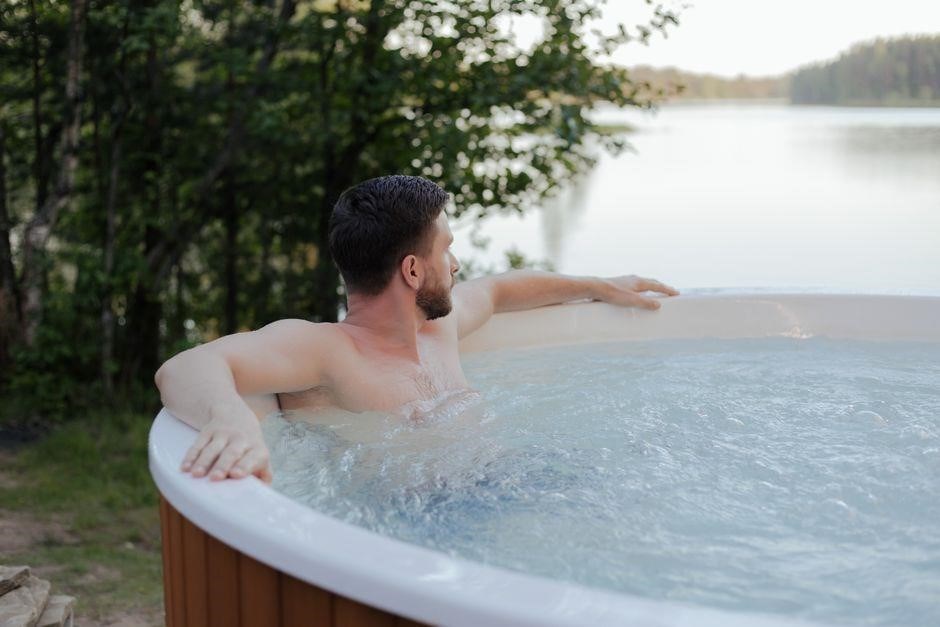
South Seas Spas must adhere to regional building codes governing water features, electrical installations, and structural integrity․ The manual provides a step‑by‑step guide to verify compliance with NEC, IBC, and state‑specific requirements․ Before installation, obtain a permit from the local building department and submit the spa’s schematic drawings for review․ The spa’s foundation must support the unit’s weight and water volume; a structural engineer should calculate bearing loads and recommend reinforcement if necessary․ Water‑line and drainage systems must connect to the municipal sewer or approved septic system, with all pipes insulated to prevent freezing in cold climates․ The manual details required clearance between the spa and adjacent structures, ensuring fire‑resistance ratings are satisfied․ It also covers the installation of a dedicated ground‑fault circuit, placement of GFCI protection, and use of weather‑proof enclosures for control panels․ Compliance with local sewer and storm‑water regulations is critical; the manual provides templates for sewer‑connection forms and storm‑water capture systems․ Finally, the guide includes a checklist for final inspection to ensure all code requirements are met before the spa is operational․ Adhering to these standards protects both the owner and the community, ensuring a safe, compliant, and long‑lasting spa installation․ Owners should also verify that the electrical panel has a dedicated 20‑amp circuit, and that the spa’s grounding electrode is bonded to the building’s main grounding system․ Regular inspections by a licensed electrician are recommended to maintain code compliance over the spa’s lifespan․ Additionally, local zoning ordinances may require setbacks from property lines, and homeowners’ associations may impose aesthetic guidelines․ The manual includes sample zoning maps and a list of permissible colors for spa enclosures․ Before final approval, submit a signed statement of compliance from the installer, and keep copies of all permits and inspection reports in the spa’s maintenance log for future reference․

Water Balance Problems
Water balance is the foundation of a South Seas Spa’s performance․ When pH, total alkalinity, calcium hardness, sanitizer, or temperature drift out of spec, you’ll see cloudy water, foaming, or a burning sensation․ Test with a reliable kit or digital meter․ Ideal ranges: pH 7․2‑7․8, TA 80‑120 ppm, calcium hardness 200‑400 ppm, sanitizer 1‑3 ppm, temperature 82‑86 °F․ If pH is low, add a pH increaser; if high, use a pH decreaser․ Raise TA with sodium bicarbonate or lower it with muriatic acid․ Adjust calcium hardness with calcium chloride or a softening product․ Low sanitizer levels often mean insufficient chlorine or bromine; add the correct dose and let it circulate for 30 minutes before re‑testing․ Temperature swings can be corrected by adjusting the thermostat or adding a heater if the unit is under‑powered․ A sudden surge in sanitizer demand usually indicates a spike in organic load or a leak․ Inspect jets, filters, and cover for debris and clean or replace as needed․ If water remains cloudy after balancing, run the filter an extra hour and consider a shock treatment․ Document each adjustment in a maintenance log; this record helps spot trends and prevent future problems․

Water chemistry is interdependent; altering one variable can shift others․ Raising calcium hardness can raise pH, and adding a pH increaser can raise calcium hardness․ Adjust one parameter at a time, then re‑test after 30 minutes․ If scale appears, use a descaling solution or rinse the system with a vinegar‑water mix․ Wear protective gloves and eyewear when handling chemicals, and store them in a cool, dry place away from direct sunlight․ Follow these steps to keep the spa crystal‑clear and safe for users․ Enjoy spa․!!

Glossary & Resources
Alkalinity – The water’s buffering capacity, measured in ppm․ Calcium Hardness – Mineral concentration affecting scale․ Sanitizer – Chlorine, bromine, or salt for disinfection․ pH – Acidity/alkalinity scale․ Shock – High‑dose sanitizer to eliminate contaminants․ Filter – Removes particulates; types include cartridge, sand, and diatomaceous․ Cover – Keeps debris out and reduces evaporation․ Jet – Water outlet for massage․ Recirculation – Continuous water flow through the system․ Temperature – Heat level, usually 82–86 °F․ Balance – Maintaining all parameters within spec․ Maintenance Log – Record of adjustments and inspections․ Electrical Safety – Ground‑fault protection and proper grounding․ Local Codes – Building and plumbing regulations․ Manufacturer’s Warranty – Coverage details for parts and labor․ Service Center – Authorized repair and support․ Online Resources – Manufacturer’s website, user forums, and instructional videos․ Professional Help – Certified installers and technicians․ For detailed guidance, consult the full South Seas Spa Manual, visit the official website, or contact customer support․ Enjoy spa․!! For more details, see the FAQ or contact support for help and advice for clarity!